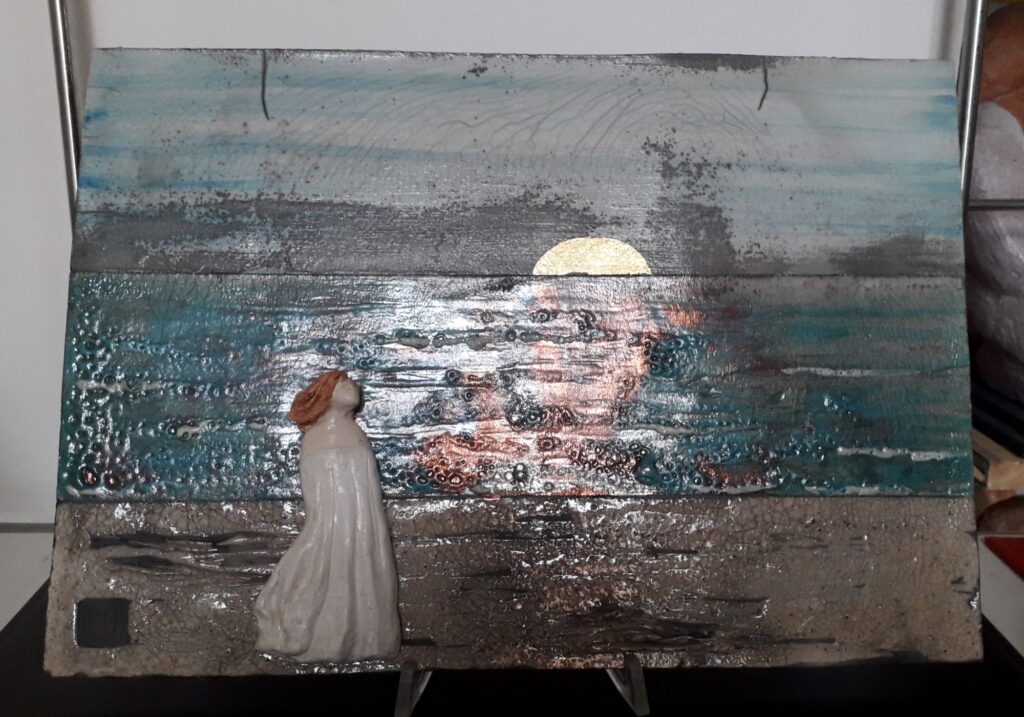
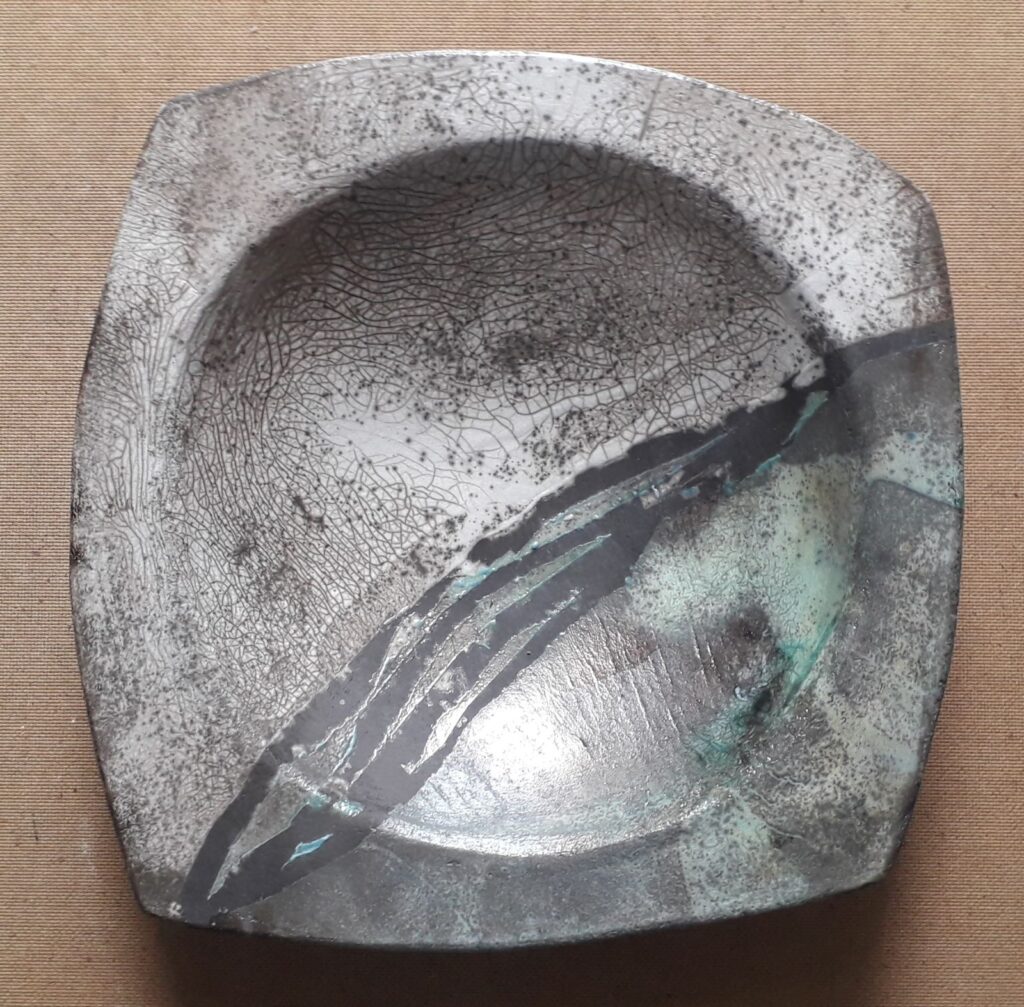
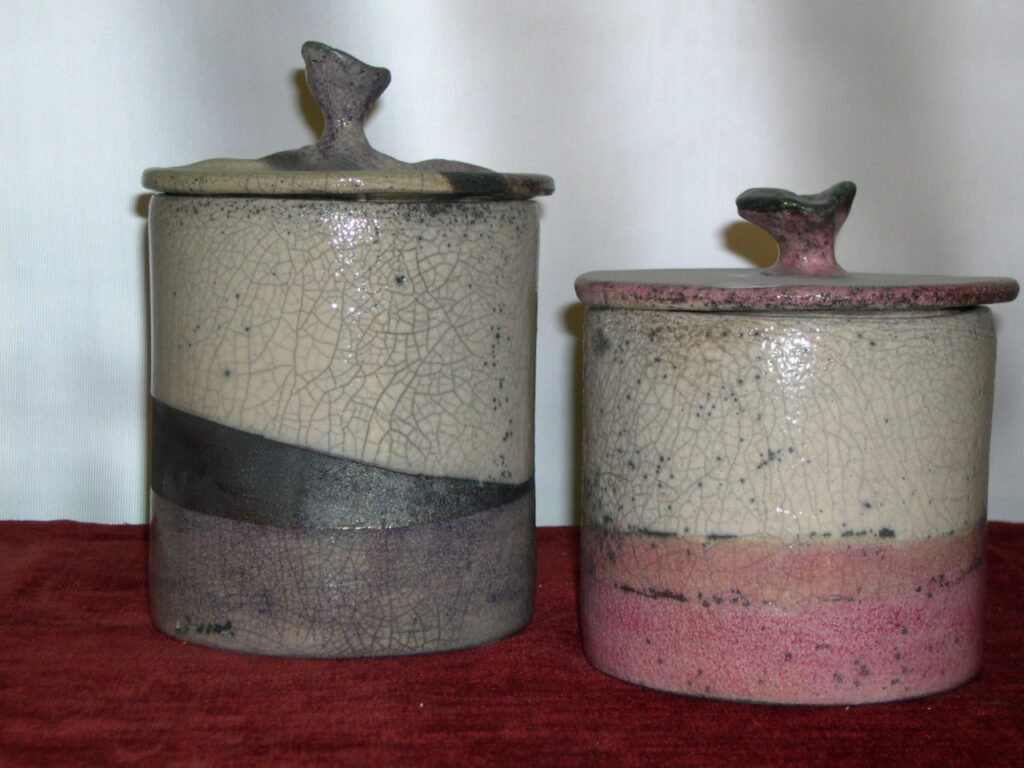
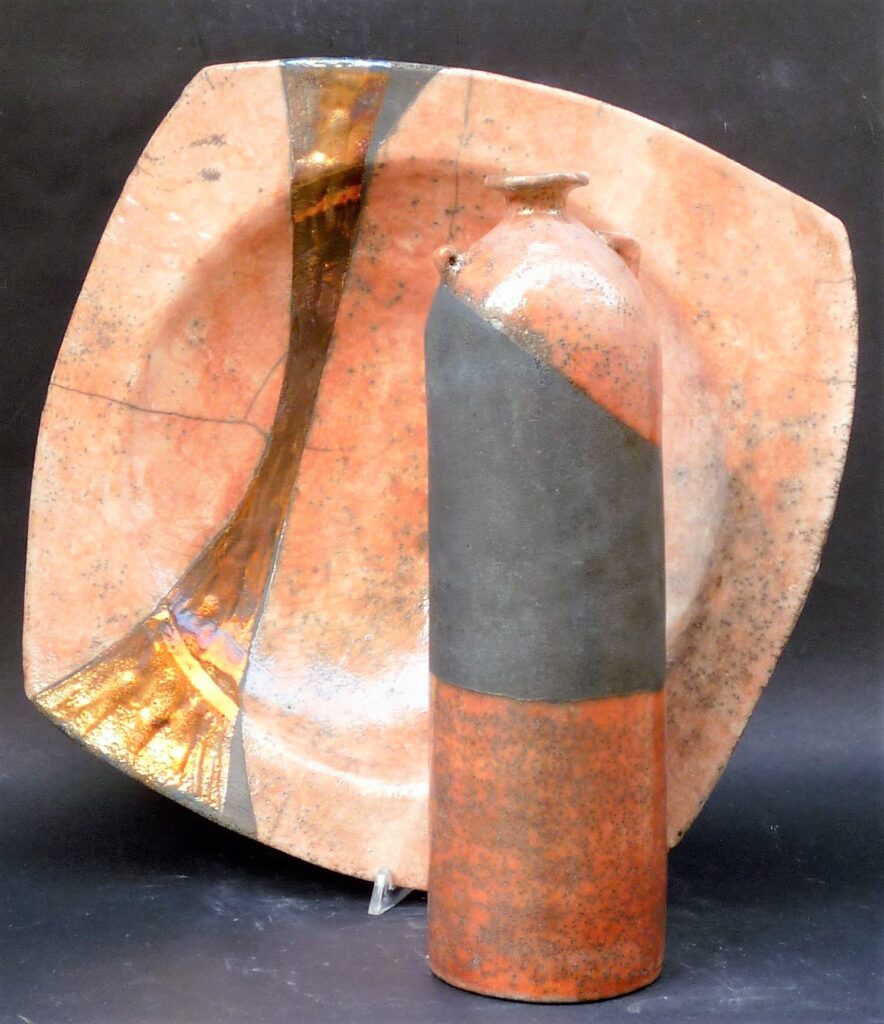
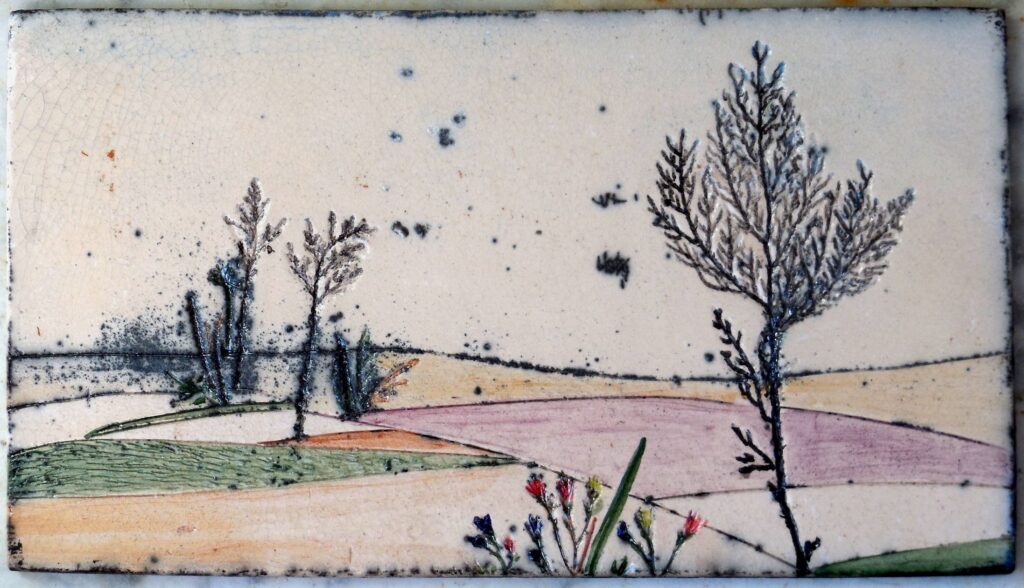
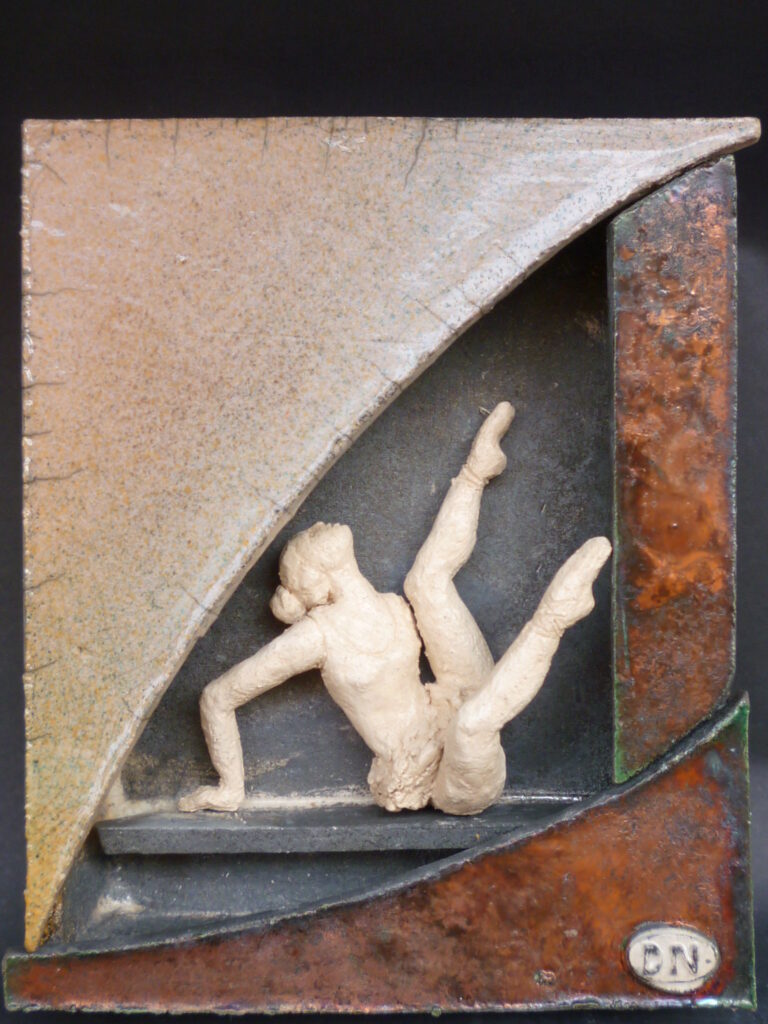
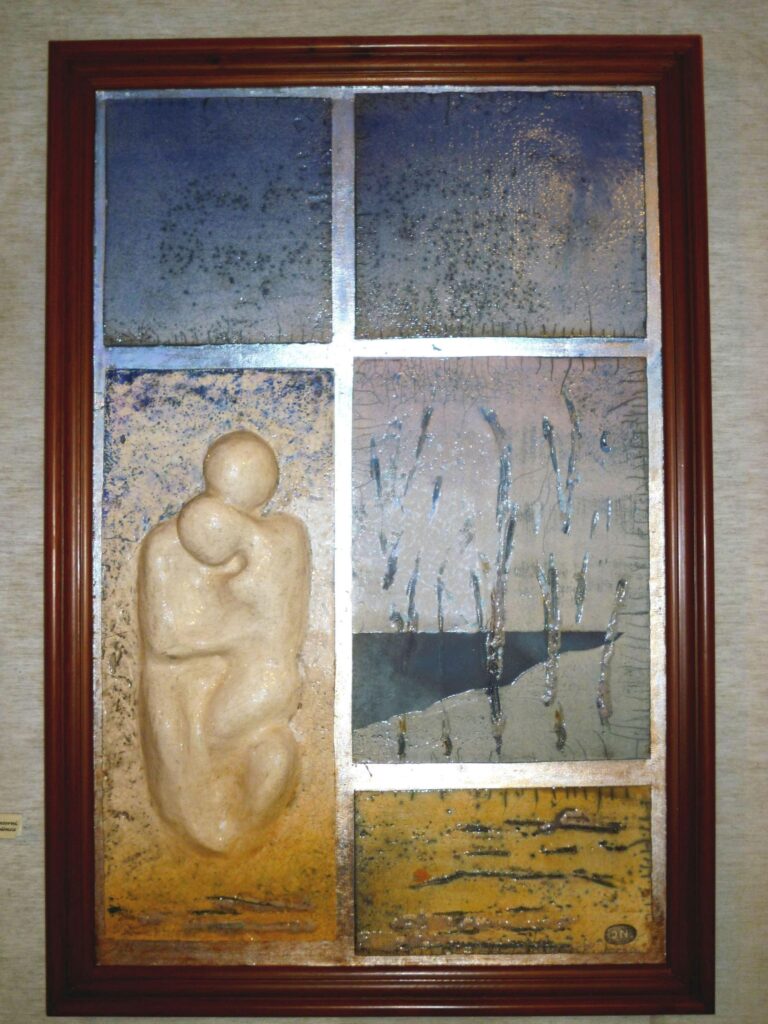
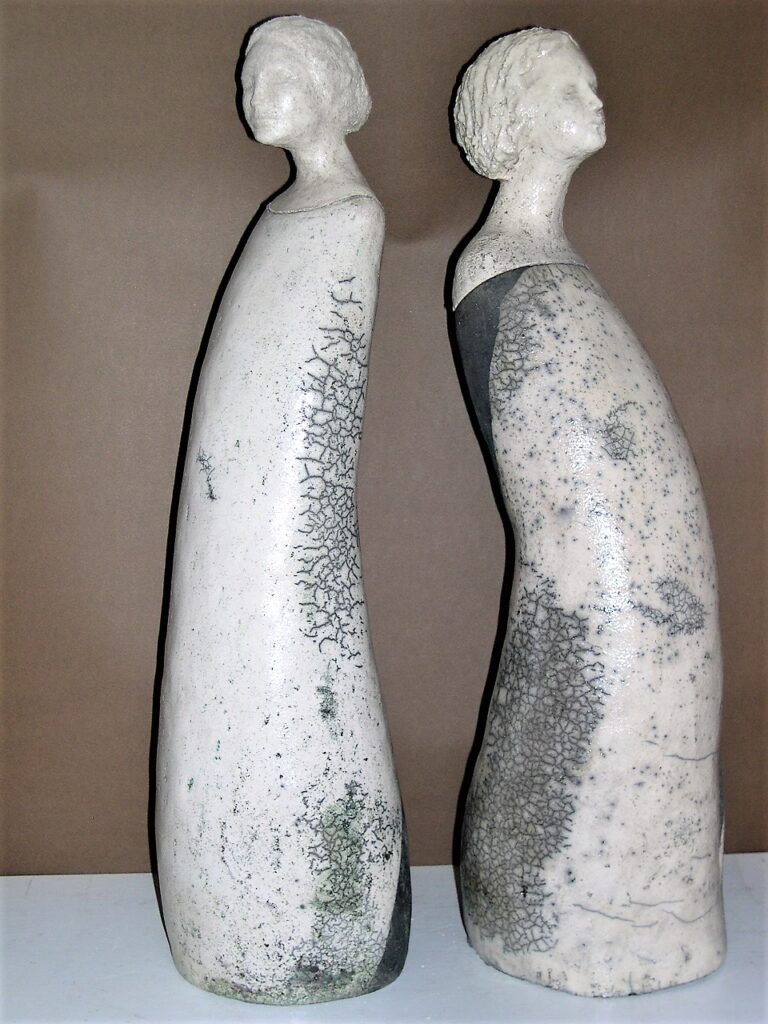
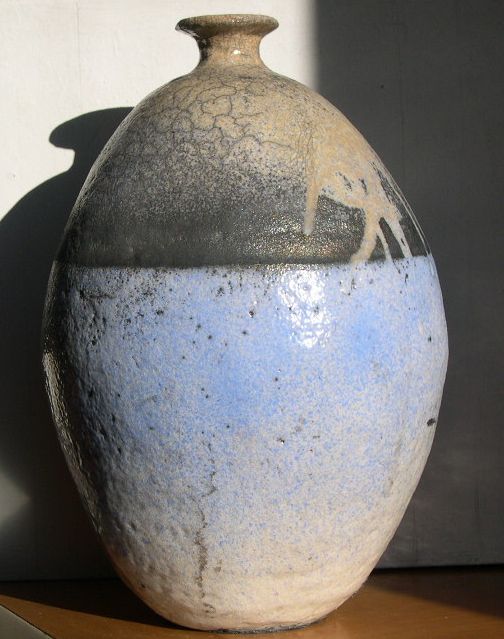
Raku is a Japanese firing technique that dates back to the early sixteenth century, closely associated with the making of tea bowls for the traditional tea ceremony. Rooted in simplicity and respect for natural processes, it embraces unpredictability as part of its beauty.
Each piece, formed from refractory clay, is fired individually and drawn from the kiln while still glowing with intense heat. In that fleeting moment—when earth and fire are at their most alive—the object is placed among sawdust, leaves, or paper. Flames rise, smoke envelops the surface, and a subtle alchemy begins as the oxides within the clay and glazes react in the reduction process. Finally, the piece is immersed in water, abruptly halting the transformation.
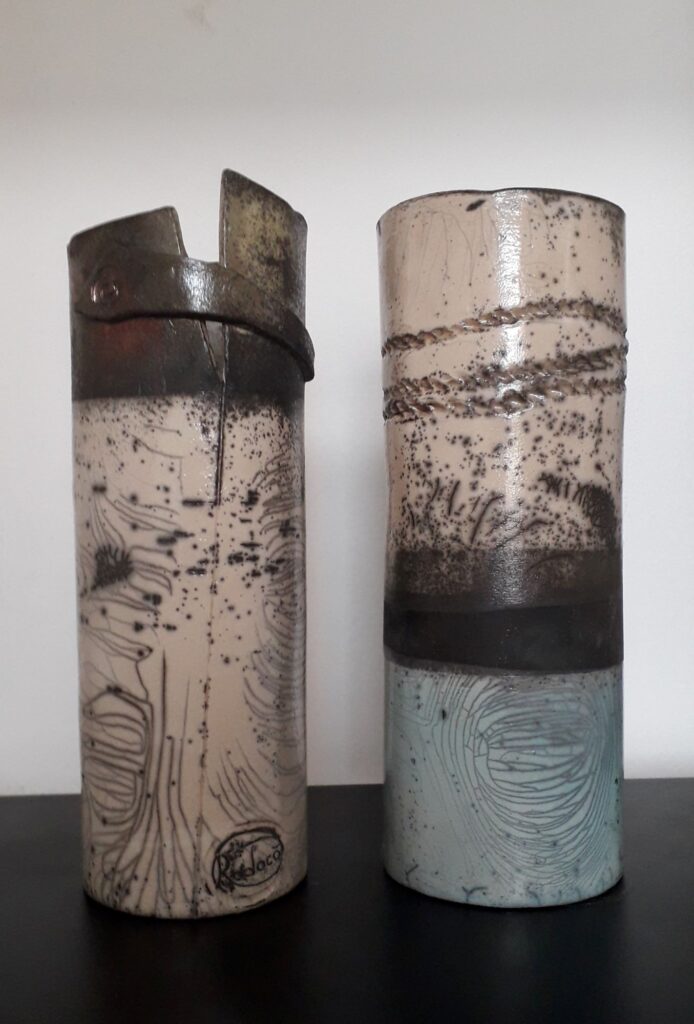
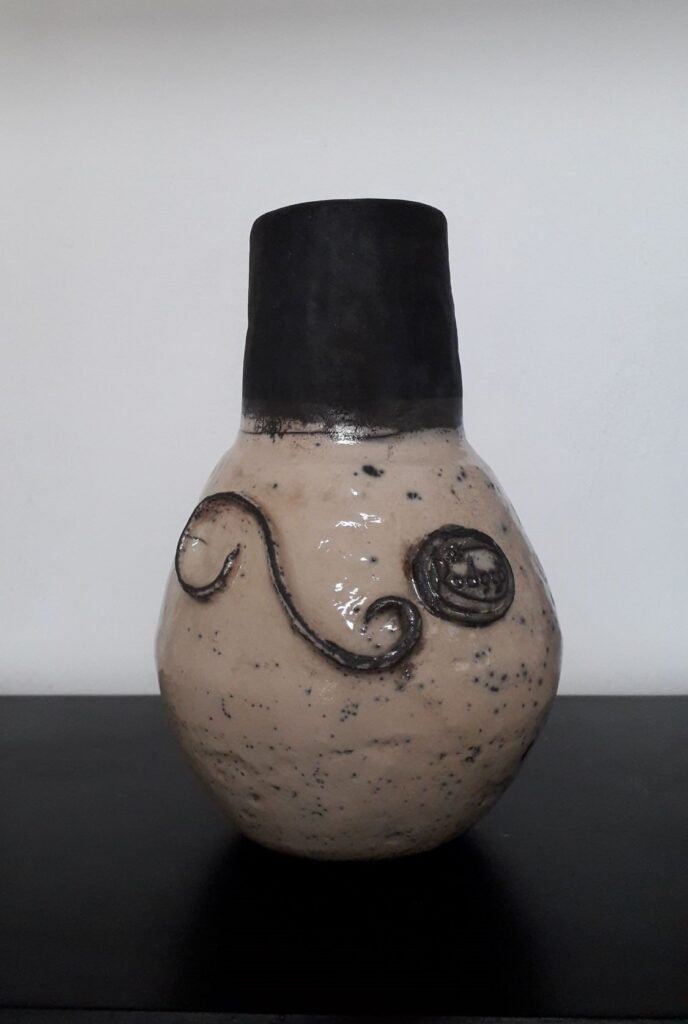
The sudden thermal shock leaves delicate cracks, darkened veins, and unexpected markings. These fractures and imperfections are not flaws, but traces of the encounter between fire, air, water, and the ceramist’s hand. No two pieces can ever be the same—each bears the memory of that moment, suspended between control and chance.
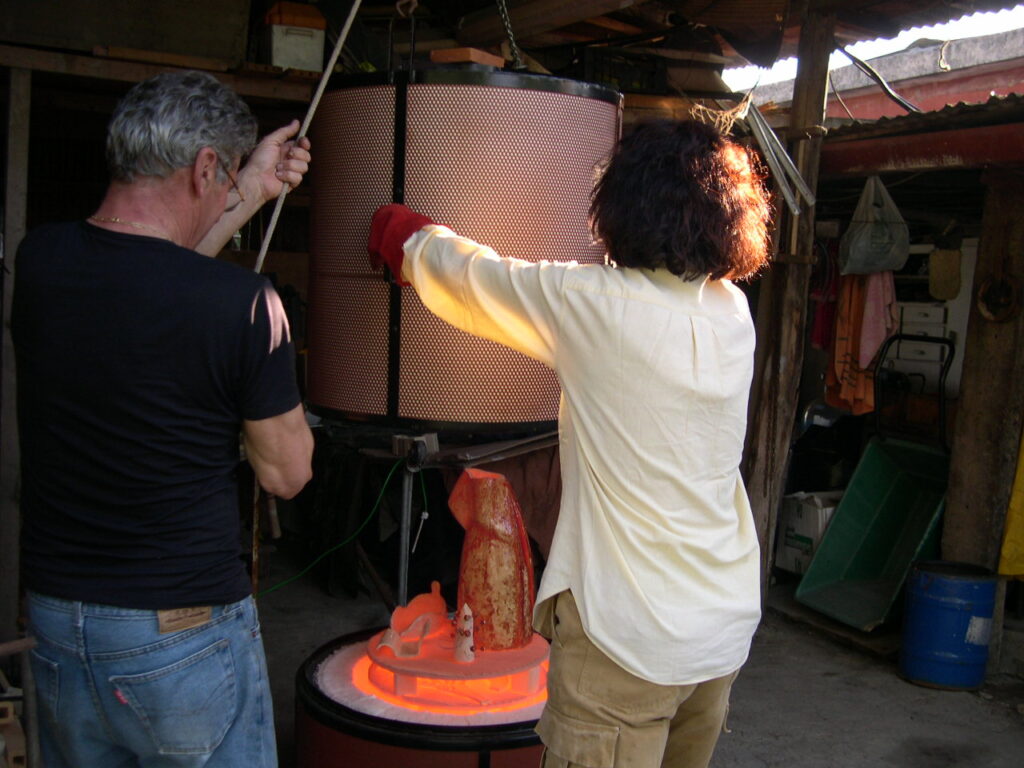
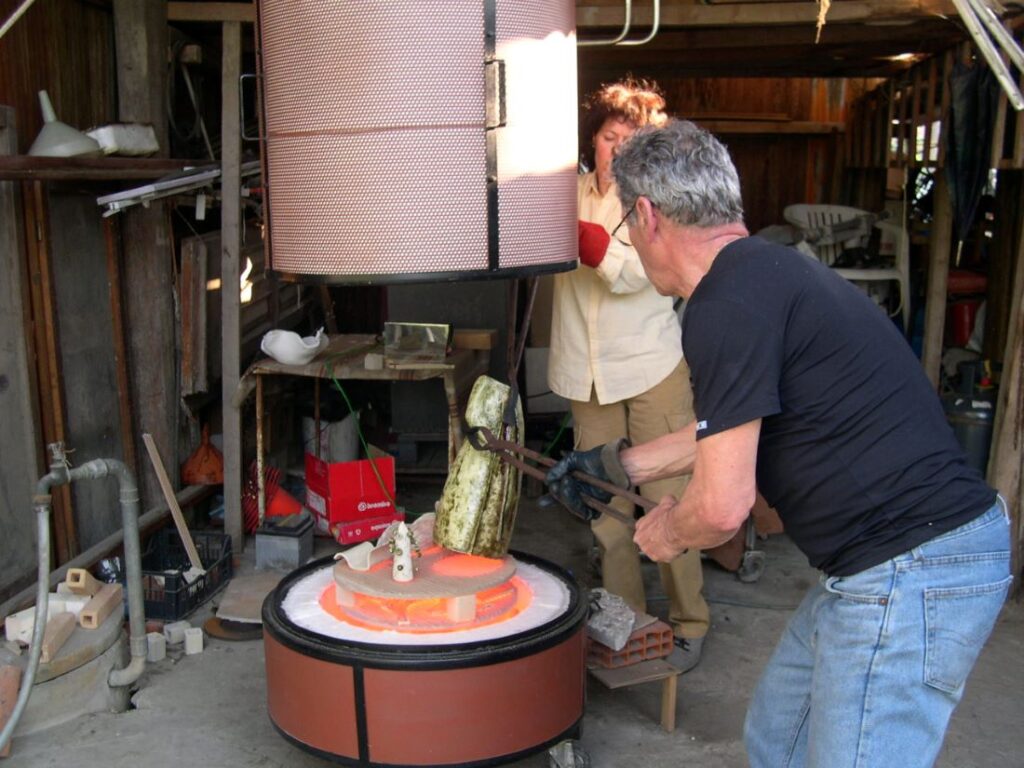
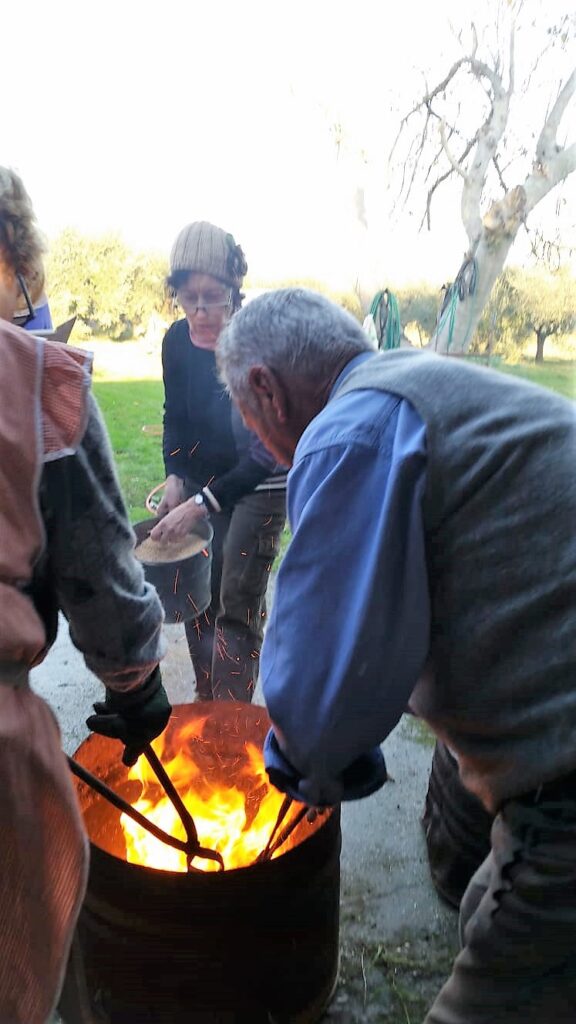
Once the temperature reaches 920°C, the kiln is opened.
…
The pieces are taken out while still glowing hot.
…
…
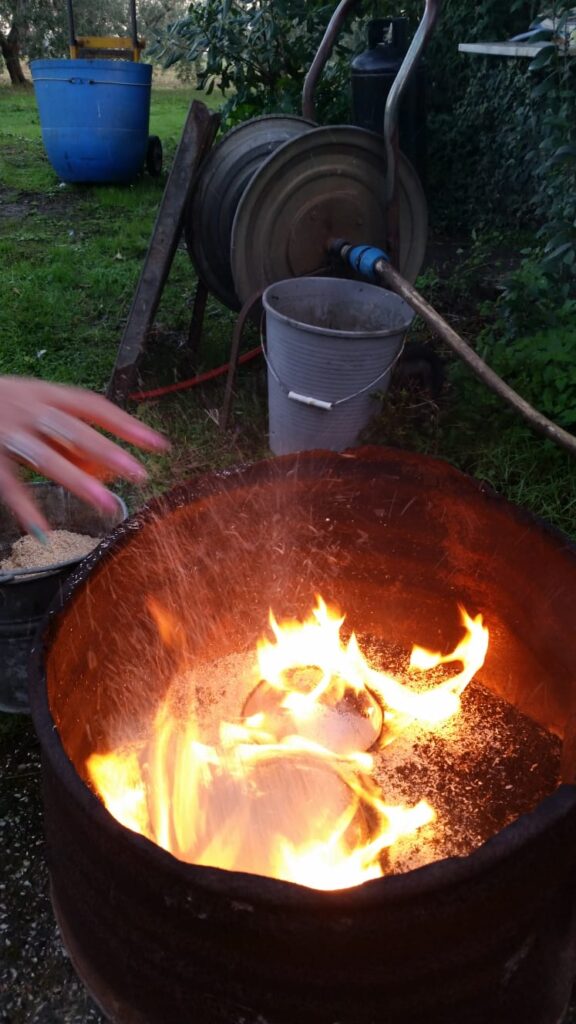
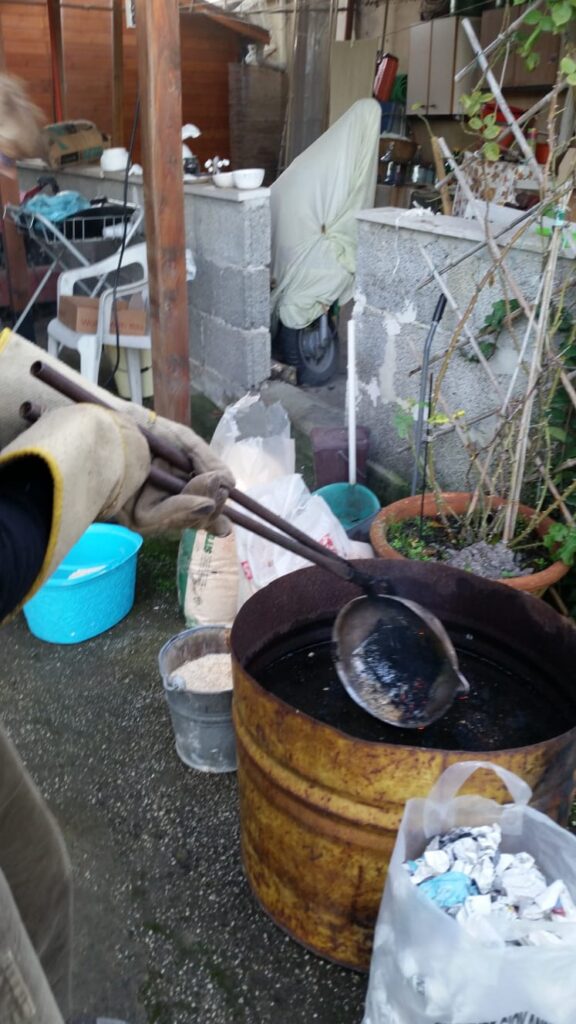
During the reduction process, the pieces are covered with sawdust.
…
…
The Raku firing
…
…
Collaborative Raku Firing
…
…
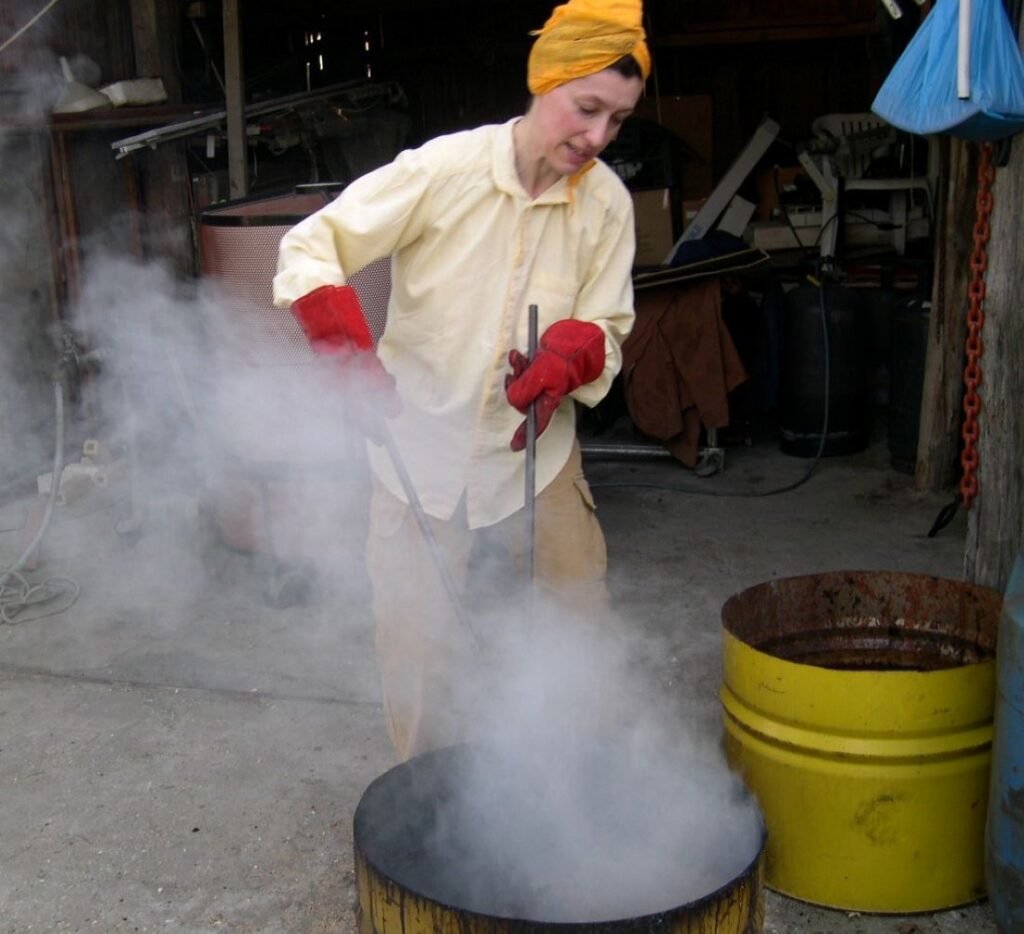
The pieces are plunged into water to bring the reduction and smoking process to an end.