Her Life
Donatella Nannipieri was born in Pisa, where she graduated in Modern Literature with a specialisation in Art History. She further explored themes of conservation while working as a restorer of frescoes and sculptures from 1979 to 1987 at the Soprintendenza in Pisa.
Since 1986 she has lived in Livorno, where she taught History of Art in upper secondary schools. Her study of art history found tangible expression in the direct practice of artistic techniques, particularly in working with clay in the studio-workshop run by her father, Dino, in Cascina.
Since 2021 she has been modelling and exhibiting her works at the Rodocò Cultural and Artistic Association in Livorno.
From 2002 onwards, she has participated in solo and group exhibitions in Cascina, Pisa, Lucca, and Livorno.
Donatella’s Muses
We like to imagine that in 1959, when Dino Nannipieri and Floriana Taliani chose a name for their firstborn daughter, they selected “Donatella” because it evoked the great genius of fifteenth-century Florentine sculpture, Donato di Niccolò di Betto Bardi—known to the world as Donatello.
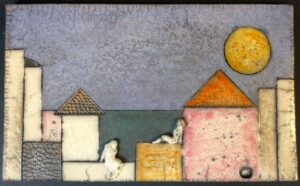
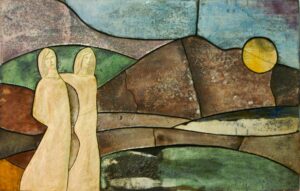
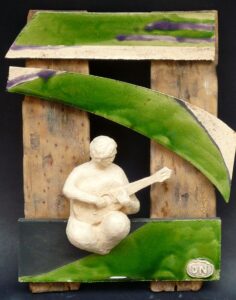
At that time, Dino—who had trained at the Istituto di Cascina and at the Magistero in Florence, studying with distinguished masters such as Luchini, Pulcinelli, and Innocenti—had begun exploring polychrome glazed ceramics, a medium that would characterise much of his artistic production until his death in 1995.
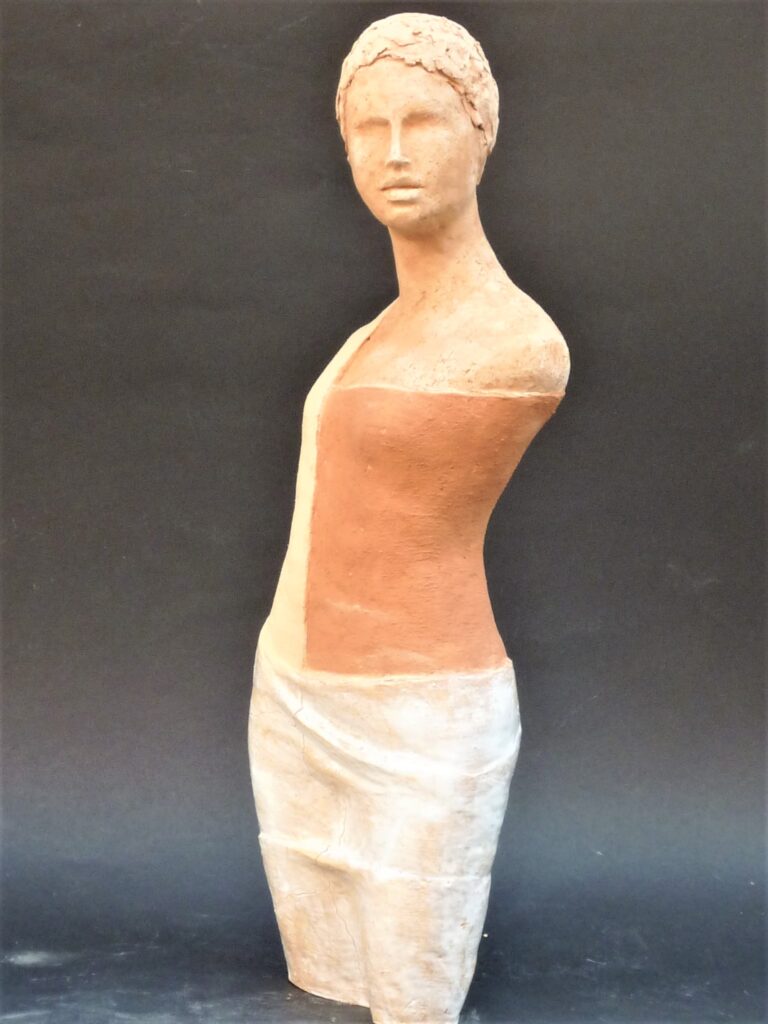
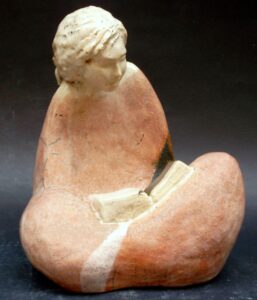
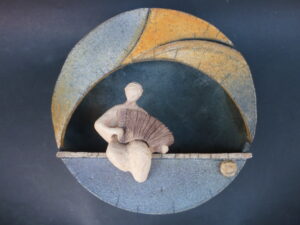
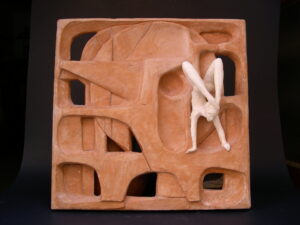
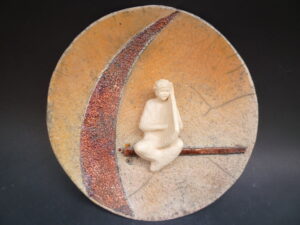
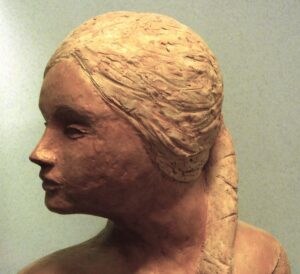
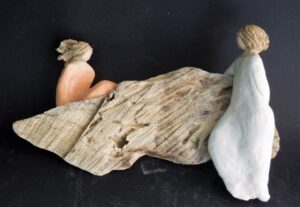
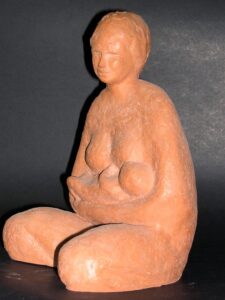
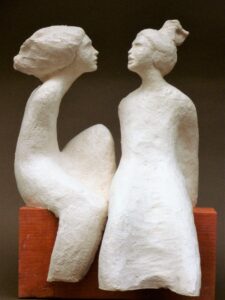
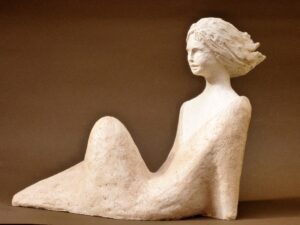
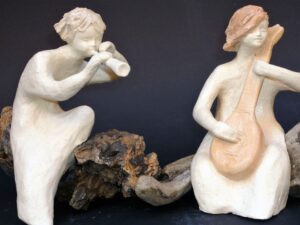
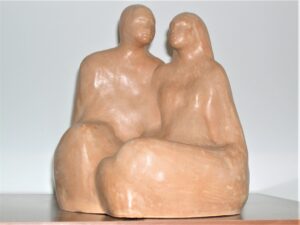
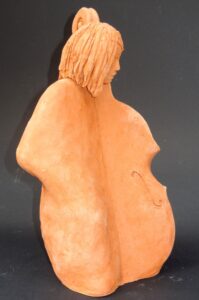
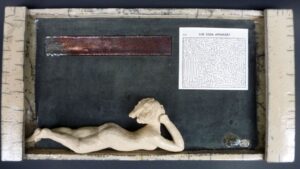
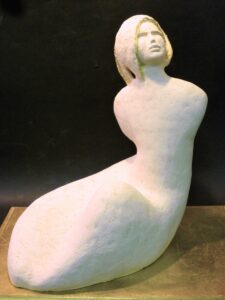
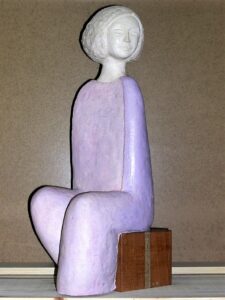
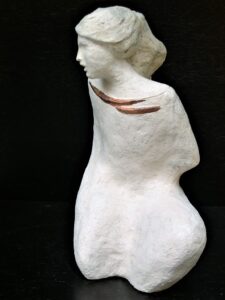
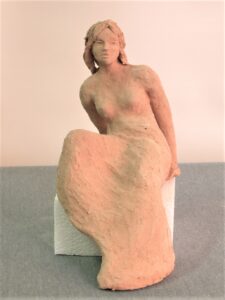
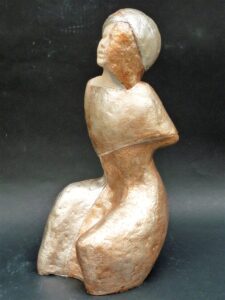
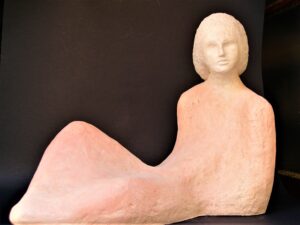
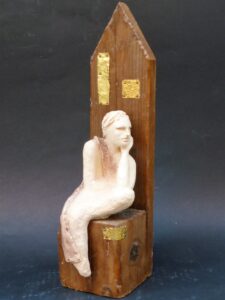
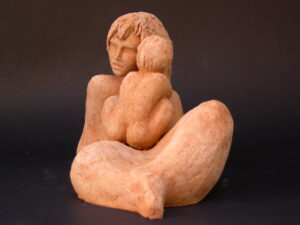
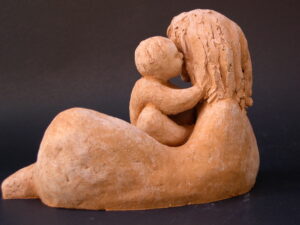
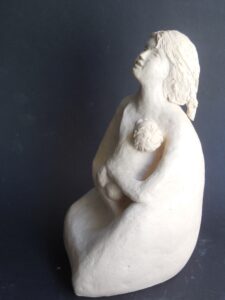
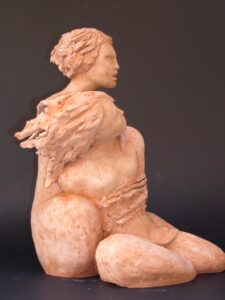
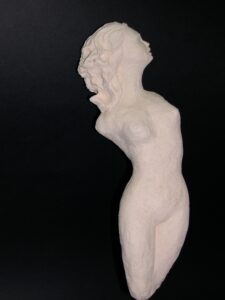
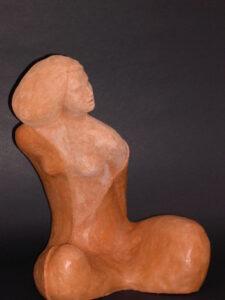
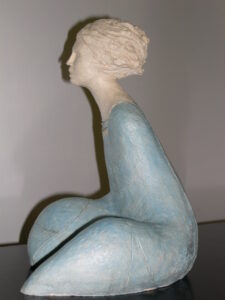
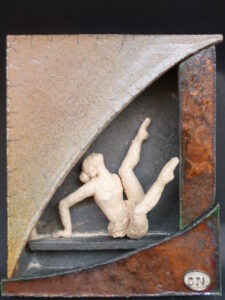
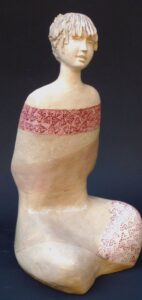
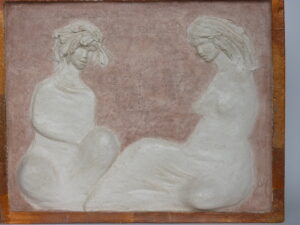
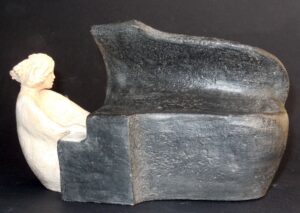
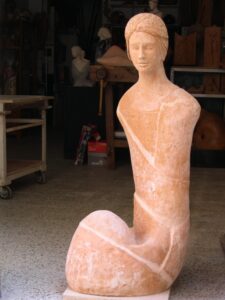
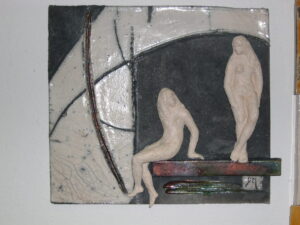
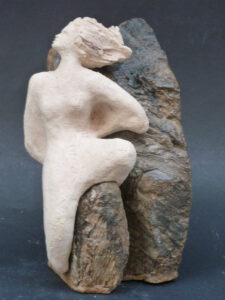
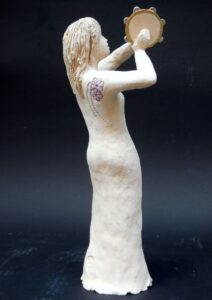
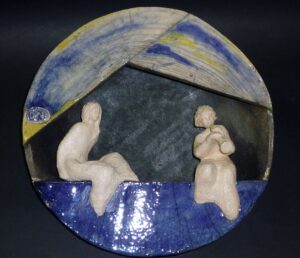
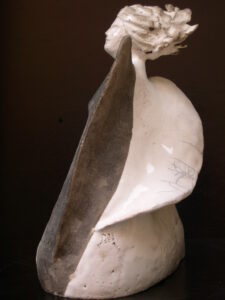
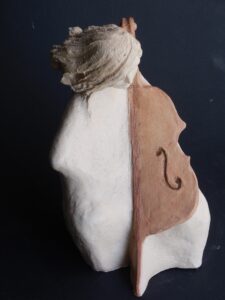
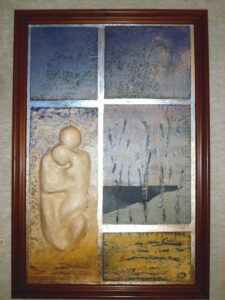
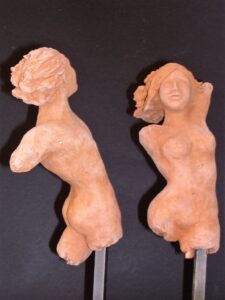
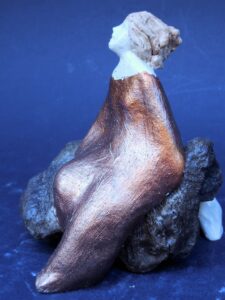
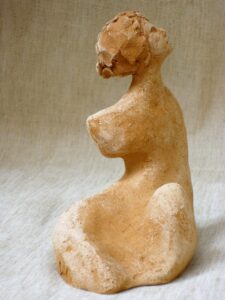
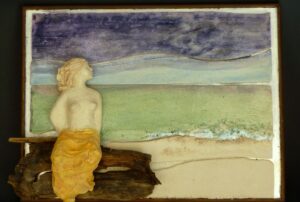
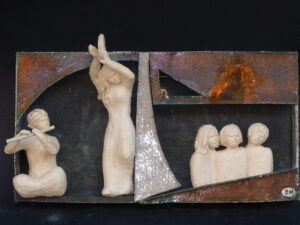
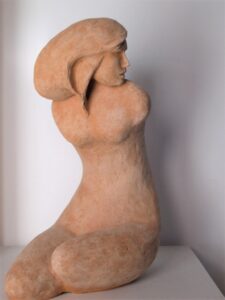
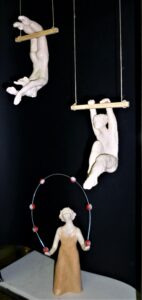
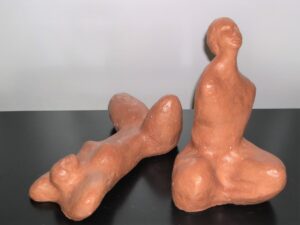
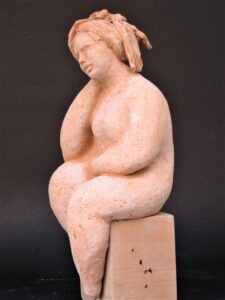
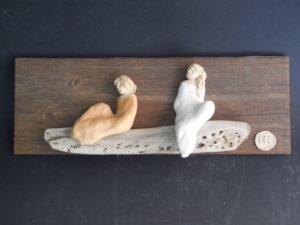
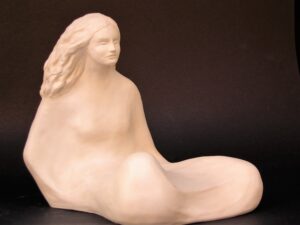
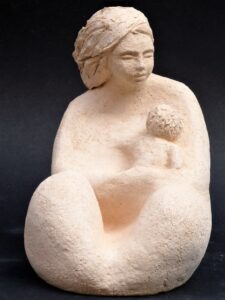
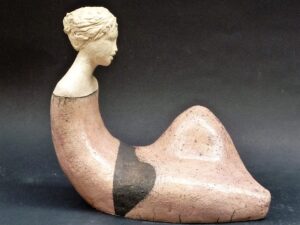
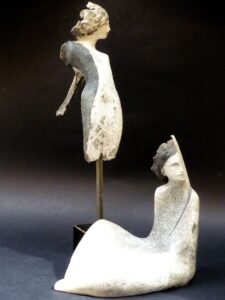
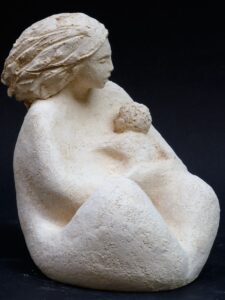
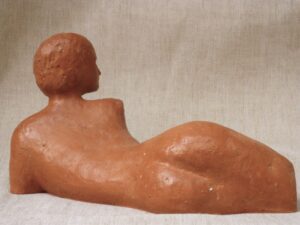
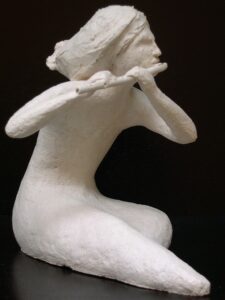
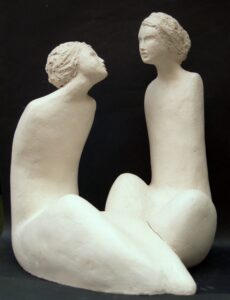
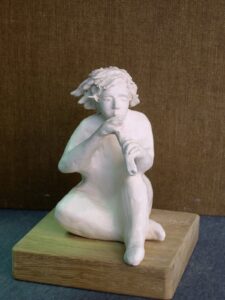
In her father’s workshop, Donatella, from an early age, watched him shape clay into figures—predominantly female, and of varying scale. It felt entirely natural for her to begin playing with that same material, forming objects that, over time, evolved into young girls and mature women: reflective figures, or women absorbed in quiet activity, seated or reclining.
It is not difficult to trace echoes of her father’s stylistic journey—from Bonanno to Giovanni Pisano, from Desiderio da Settignano to the Della Robbia family, and to Donatello himself.
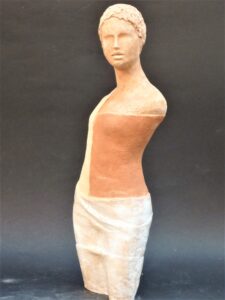
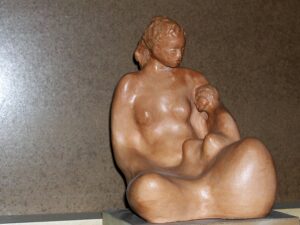
The Tuscan tradition of terracotta has ancient roots. In her work, Donatella draws upon the iconography and forms of Etruscan and even Hellenistic artefacts, such as the “Tanagrines”—polychrome terracotta statuettes captured in intimate, everyday moments. There is also a classical sensibility, perhaps mediated through the study of artists such as Marino Marini, Arturo Martini, Emilio Greco, Manzù, and Amalia Ciardi Duprè.
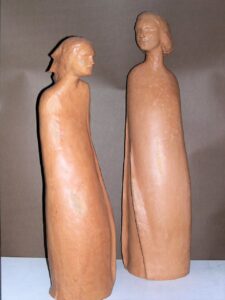
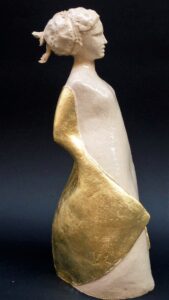
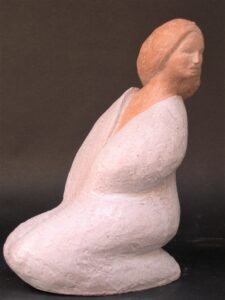
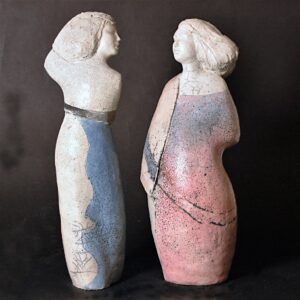
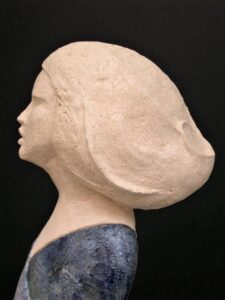
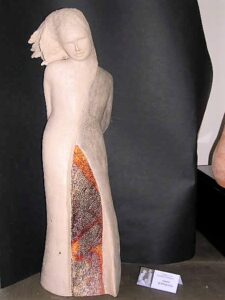
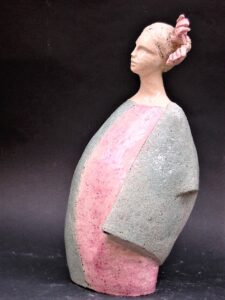
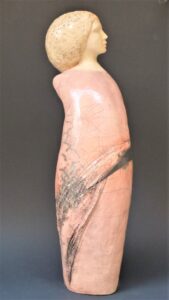
A number of her standing figures—deliberately still, yet marked by intense gazes—recall medieval and Renaissance wooden sculpture, reminiscent of the carved Madonnas created by masters sometimes unknown, who adorned the altars of our churches.
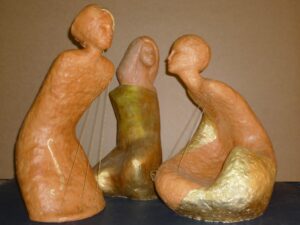
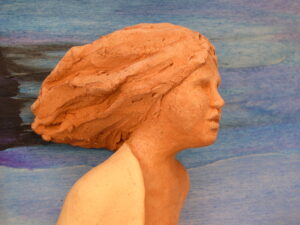
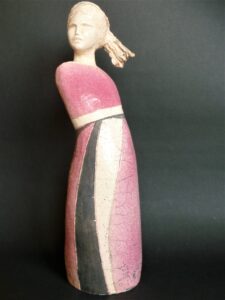
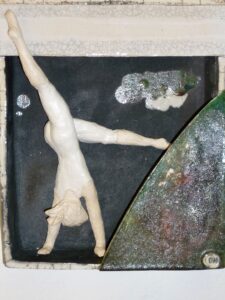
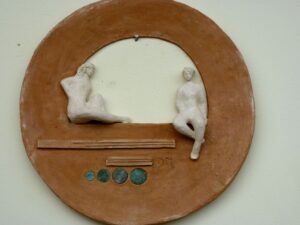
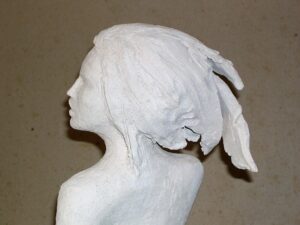
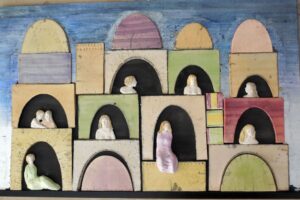
The warm red of terracotta, at times patinated, gilded, or glazed, animates the crowded Parnassus of the workshop Donatella inherited from her father. It is here that her muses are conceived and brought into being, shaped by the fertile and knowing hands of the sculptor.
Claudio Casini, San Frediano a Settimo, 24 May 2009